Desk Stretches for Adults Who Sit All Day

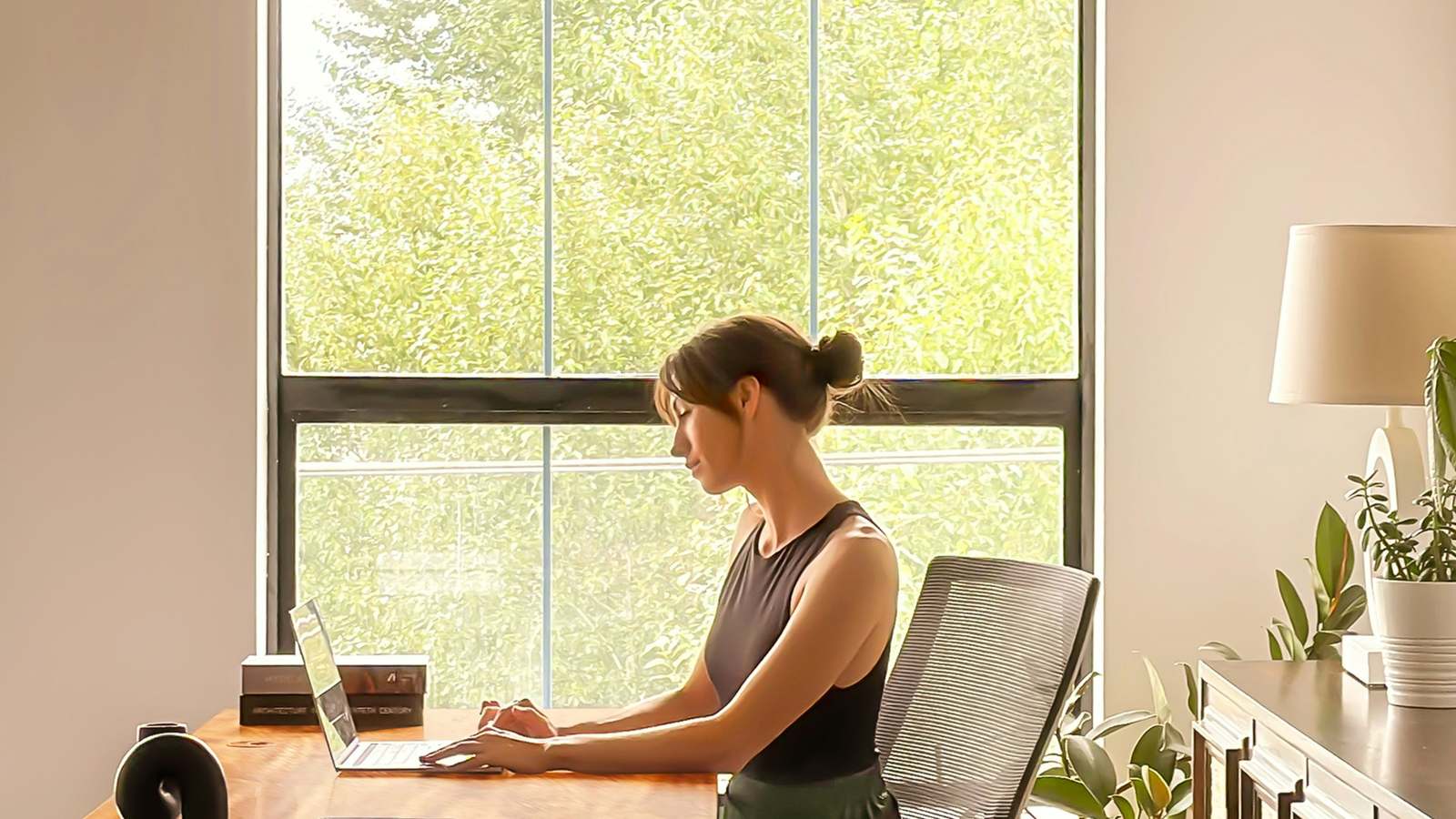
If you spend most of your day at a desk, your body knows it by the afternoon: a stiff neck, tight shoulders, an achy lower back, hips that feel locked when you finally stand up. Sitting isn't just passive rest — held for hours, it quietly shortens some muscles and switches others off, and the stiffness builds whether or not you exercise.
The good news is that a few simple desk stretches — done at your chair, a few minutes a few times a day — can push back against much of it, no gym or mat required. This guide walks through the most useful ones, grouped by the areas that tighten the most, plus how often to do them so they actually stick. It's one piece of a bigger picture — see our complete guide to movement and mobility for people who sit all day.
Key Takeaways
- Prolonged sitting tightens the hip flexors, hamstrings, chest, and neck while weakening the back and core — stiffness most people feel by mid-afternoon.
- The single most important habit is breaking up sitting: move for a minute or two every 30 to 60 minutes.
- Target the areas a desk hits hardest: neck and shoulders, upper back and chest, wrists, hips, and lower back.
- Stretches should feel like a gentle pull, never pain — ease in, hold, and breathe.
- Consistency beats intensity: short stretch breaks woven through your day do far more than one long session.
What Sitting All Day Does to Your Body
It helps to know what you're undoing. When you sit for hours, your hip flexors and hamstrings stay shortened, and over time they tighten — which, as Harvard Health notes, can stiffen the joints and even affect your gait and balance. Meanwhile a typical desk posture rounds the shoulders forward and juts the head toward the screen, leaving the chest tight and the neck and upper back strained.
There's a bigger-picture reason to move, too. Beyond the aches, the Mayo Clinic notes that too much sitting has been linked to obesity and metabolic syndrome and seems to raise the risk of heart disease — though staying physically active offsets much of that risk. Stretching won't undo all of that on its own, but it's part of the same simple fix: get up, move, and loosen the parts that lock up.
How Often Should You Stretch at Your Desk?
Frequency matters more than duration. The Mayo Clinic suggests a standing break about every 30 minutes, and workplace-ergonomics guidance from the CCOHS recommends a few minutes of movement each hour — so standing up and moving for one to three minutes every 30 to 60 minutes is a solid target. You don't need to do every stretch below each time — even a quick walk to refill your water plus one or two stretches resets things. For more on building those breaks into your day, see our guide to movement breaks at work.
A few ways to make it automatic: set a timer or smartphone reminder, stand up for every phone call, or stretch while a page loads or coffee brews. The point isn't a perfect routine; it's interrupting the long, unbroken hours that cause the stiffness in the first place.
One thing before you start: every stretch below should feel like a gentle pull, never pain. Ease in slowly, breathe normally rather than holding your breath, don't bounce, and skip anything that hurts. (There's a fuller safety note at the end.)
A Quick 5-Minute Desk Routine
Short on time? Run this sequence top to bottom — about five minutes, no equipment needed. Each move is explained in detail in the sections below.
- Shoulder rolls — 10 backward, 10 forward
- Neck side stretch — 20–30 seconds each side
- Seated chest opener — 15–20 seconds
- Seated spinal twist — 20–30 seconds each side
- Seated figure-4 (hips) — 20–30 seconds each side
- Standing hip flexor stretch — 20–30 seconds each side
- Wrist flexor and extensor stretch — 15–20 seconds each
If you have only a minute, do the hip stretches (5 and 6) — those are the muscles sitting affects most.
Neck and Shoulder Stretches
The neck and shoulders take the brunt of screen work. These can be done seated, anytime.
- Neck side stretch. Sit tall, shoulders relaxed. Gently tilt your right ear toward your right shoulder until you feel a stretch along the left side of your neck. For a little more, rest your right hand lightly on your head — just its weight, no pulling. Hold 20–30 seconds, then switch sides.
- Looking-down neck stretch (for "tech neck"). Turn your head about 45 degrees to the right, then gently drop your chin toward your collarbone until you feel a stretch along the back-left of your neck. Hold 20–30 seconds, then switch. This targets the muscles that ache from looking down at a screen or phone.
- Shoulder rolls. Roll your shoulders slowly backward in big circles about 10 times, then forward 10 times. Keep the movement smooth and controlled.
- Seated chest opener. Sit or stand tall, draw your shoulder blades back and down, and open the front of your shoulders. If it's comfortable, interlace your fingers behind your back. Hold 15–20 seconds — this counters the forward-rounded desk posture directly.
Upper Back and Spine
Hours of leaning forward leave the mid-back stiff. These restore some movement to the spine.
- Seated spinal twist. Sit tall with both feet flat. Place your right hand on the outside of your left thigh and gently rotate your torso to the left, looking over your shoulder. Hold 20–30 seconds, then twist the other way. Keep the turn gentle and led by your torso, not your neck.
- Seated cat-cow. Hands on your knees, inhale as you arch your back and lift your chest (cow), then exhale as you round your spine and tuck your chin (cat). Flow slowly between the two for 5–8 breaths to mobilize the whole spine.
Wrists and Forearms
Typing and mousing all day load the wrists and forearms — easy to overlook until they ache.
- Wrist flexor stretch. Extend one arm forward, palm up. With the other hand, gently pull the fingers down and back toward you until you feel a stretch along the inside of your forearm. Hold 15–20 seconds per side.
- Wrist extensor stretch. Extend one arm forward, palm down, and let your hand drop so the fingers point toward the floor. With your other hand, gently draw the back of the hand toward you until you feel a stretch along the top of the forearm. Hold 15–20 seconds per side.
Hips and Lower Back
These are the muscles sitting affects most, and the ones worth prioritizing if you're short on time.
- Seated figure-4 (also called the seated pigeon). Sit tall and cross your right ankle over your left knee so your legs form a "4." Keep your back long and chest lifted, and for a deeper stretch, hinge forward slightly at the hips. You'll feel it in your right hip and glute. Hold 20–30 seconds, then switch.
- Standing hip flexor stretch. Stand and step one foot back into a short staggered stance. Tuck your hips slightly and shift your weight forward, keeping your torso upright, until you feel a stretch along the front of the hip on the back leg. Hold 20–30 seconds per side — this directly targets the hip flexors that sitting shortens.
- Standing forward fold. Stand, then hinge gently from the hips and let your upper body hang toward the floor with knees soft. Let your head and arms relax. Hold 20–30 seconds and rise slowly. This eases the lower back and the backs of the legs — but skip or shorten it if you have low-back pain or tend to feel lightheaded when bending forward.
Legs
Don't forget what's under the desk — the hamstrings and calves stiffen from sitting too.
- Seated hamstring stretch. Sit toward the front of your chair, extend one leg straight with the heel on the floor and toes up. Sit tall and hinge forward slightly from the hips until you feel a stretch along the back of the thigh. Hold 20–30 seconds per leg.
- Seated calf and ankle circles. Extend one leg and slowly circle the ankle 5–10 times each direction, then point and flex the foot. Keeps the lower legs and ankles from getting stiff, and helps circulation.
Make It a Habit
Knowing the stretches is the easy part; remembering to do them is the real challenge. A few tricks that help:
- Anchor stretches to things you already do — every bathroom break, every phone call, every time you stand to refill water. Tying them to existing cues beats relying on memory.
- Pick two or three favorites for the areas that bother you most, rather than trying to do all of them. A short routine you'll actually repeat beats a long one you skip.
If you sit a lot, a gentle evening reset can also help release the day's tension — our evening stretching routine is a simple sequence to wind down with. And because recovery and rest work together, it's worth knowing how much of your physical repair happens overnight, which we cover in sleep and muscle recovery.
A Note on Doing These Safely
Stretching should feel like a mild, comfortable pull — never a sharp or pinching pain. Ease into each stretch slowly, breathe normally rather than holding your breath, and don't bounce. If a movement hurts, back off. And if you have an existing injury, recent surgery, or a condition affecting your back, neck, or joints, check with a healthcare provider or physical therapist before adding new stretches.
Frequently Asked Questions
How often should I stretch if I sit all day? Aim to break up sitting with one to three minutes of movement every 30 to 60 minutes. You don't need a full routine each time — even standing and doing one or two stretches helps. Frequency matters more than how long you hold any single stretch.
Can desk stretches help with back pain from sitting? They can ease the stiffness and muscle tension that long sitting causes, which many people feel as lower-back discomfort. They aren't a treatment for medical back conditions, though — if you have persistent or severe back pain, see a healthcare provider.
Do I need to stand up, or can I stretch while seated? Many of these work seated, which makes them easy to fit in. But standing up itself is valuable — it interrupts the sitting that drives the stiffness — so a mix of seated and standing stretches is ideal.
How long should I hold each stretch? Around 15 to 30 seconds is plenty for desk stretches. Hold steadily without bouncing, breathe, and repeat on both sides where relevant.
Final Thoughts
You can't always sit less, but you can keep your body from paying the full price for it. A few targeted stretches — neck, shoulders, wrists, hips, and back — done briefly throughout the day will ease the stiffness that desk work builds up and keep you moving more freely. Start with the two or three that target wherever you feel it most, anchor them to things you already do, and let consistency do the work.
This article is for informational purposes and is not medical advice. Stop any stretch that causes pain and consult a healthcare provider for persistent discomfort or before starting a new routine.
Sources
- Mayo Clinic — Sitting Risks: How Harmful Is Too Much Sitting?
- Harvard Health Publishing — The Dangers of Sitting
- Canadian Centre for Occupational Health and Safety (CCOHS) — Office Ergonomics: Stretching at the Workstation
Related reading: Dealing with a sore neck or back from your desk? See neck and back pain from sitting — and how to relieve it.