
The Ideal Bedroom for Sleep: Temperature, Light, and Sound

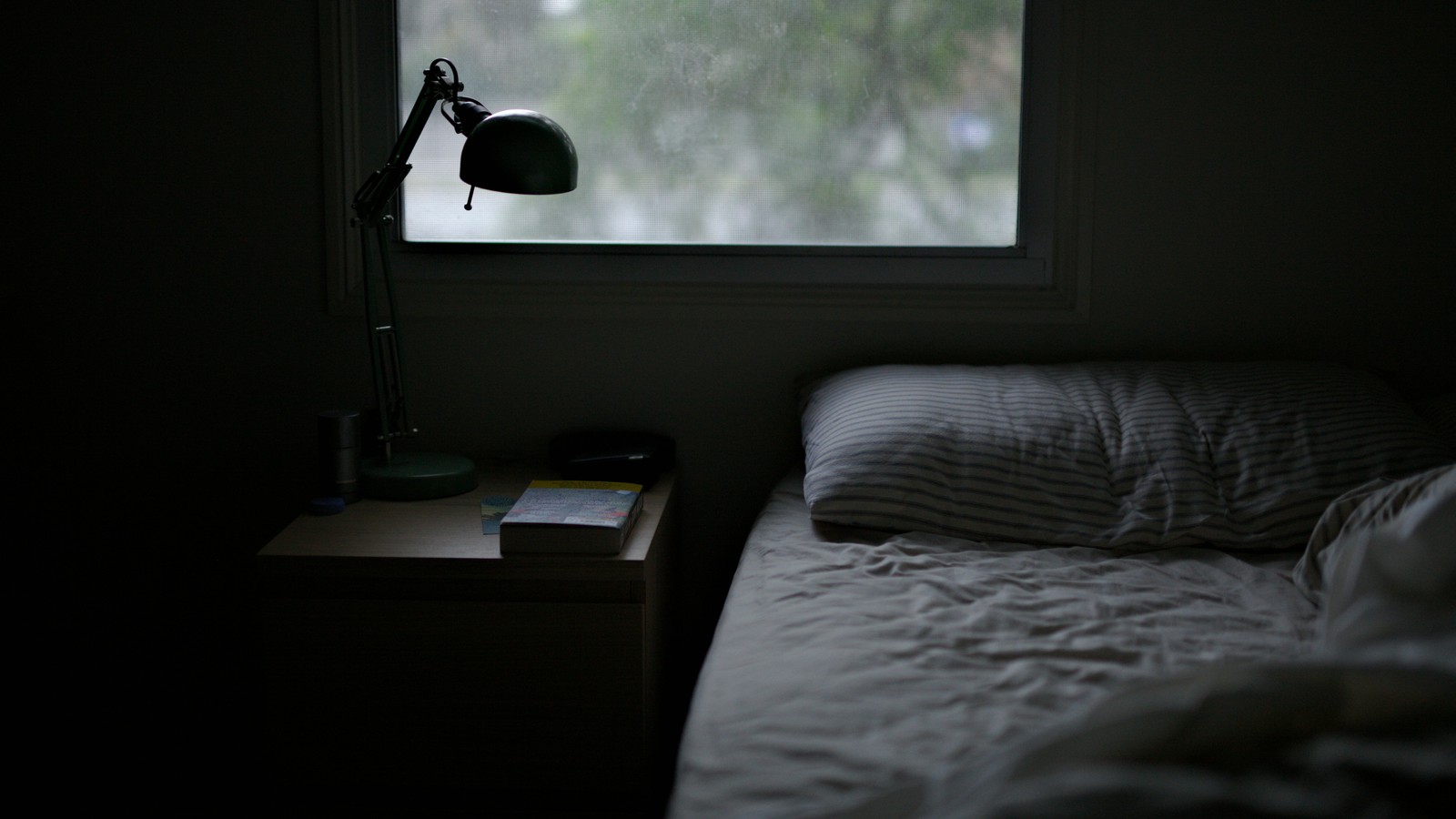
You can do everything right — cut the late coffee, put the phone down, wind down on schedule — and still lie awake in a room that's quietly working against you. Of all the things that shape a night's sleep, your bedroom is the one you have the most direct control over. You can't always control a racing mind, but you can absolutely control the thermostat, the light, and the noise.
The good news is that a sleep-friendly bedroom isn't about expensive gadgets. It's about getting a handful of physical conditions right so your body can do what it already knows how to do. Think of the room as a system: temperature, light, sound, air, and the bed itself all pulling in the same direction. This guide walks through each one, what the research actually supports, and the small changes that move the needle most.
For the bigger picture of habits that improve sleep, see our complete guide to better sleep naturally. This article zooms in on one piece of that puzzle — the room you sleep in.
Key Takeaways
- The sweet spot for most adults is around 65°F (18°C) — a cool room supports the natural drop in body temperature that triggers sleep.
- Darkness matters more than people think — even ordinary room light before bed can suppress melatonin and delay sleep.
- For noise, steady background sound can help mask disruptions, though the evidence is mixed; the goal is consistency, not silence at all costs.
- Aim for 30–50% humidity, and treat your mattress and pillow as support tools, not luxuries.
- Reserve the bedroom for sleep so your brain builds a strong association between the room and rest.
Why Your Bedroom Environment Matters
Your body prepares for sleep through your circadian rhythm — a roughly 24-hour internal clock that takes its strongest cues from light and temperature. As night approaches, melatonin rises, your core body temperature falls, and your system shifts toward rest. A well-designed bedroom reinforces every one of those signals. A poorly designed one fights them.
This is why two people with identical bedtime routines can sleep very differently. The room is doing half the work — for better or worse. Get the environment right, and you remove a whole category of obstacles before your head even hits the pillow.
Temperature: The Most Underrated Sleep Lever
If you change only one thing in your bedroom, make it the temperature. Most sleep experts point to around 65°F (18.3°C) as the ideal, with most adults sleeping well somewhere in the 65–68°F (18–20°C) range, according to the Sleep Foundation.
The reason is physiological. Your core body temperature naturally drops by a degree or two as you fall asleep, and a cool room helps that happen. A room that's too warm works against the drop, which is why hot nights tend to mean restless, fragmented sleep and less time in the deep, restorative stages.
A few practical ways to hit the range:
- Set the thermostat toward the mid-60s°F before bed, not when you're already too warm.
- If you can't control the temperature directly, use breathable bedding, a cooling mattress topper, or a fan.
- Kick a foot out from under the covers — your extremities help dump heat.
- Take a warm shower 60–90 minutes before bed. The rapid cool-down afterward mimics your body's natural pre-sleep temperature drop.
One caveat worth knowing: 65°F isn't a universal law. Older adults often sleep better slightly warmer, and personal comfort varies. Use the range as a starting point and adjust to what leaves you neither shivering nor sweating.
Light: Why Total Darkness Wins
Darkness is the single strongest signal your brain has that it's time to sleep — and modern bedrooms leak light from a dozen places. This matters more than most people assume. Research has shown that exposure to ordinary room light before bed suppresses melatonin and shortens how long your body produces it. In one frequently cited study, room-level light before bedtime delayed melatonin onset and cut its duration by roughly 90 minutes (PubMed).
The takeaway isn't to fear every photon — it's that getting the room genuinely dark pays off. To do that:
- Block outside light with blackout curtains, or use a comfortable eye mask if curtains aren't an option.
- Cover or remove glowing electronics — standby LEDs, chargers, and clocks all add up. Even small light leaks can register.
- Keep nighttime light warm and dim. If you need a light for a bathroom trip, a low, warm-toned (amber or red) bulb is far less disruptive than a bright white one.
If you tend to wake in the night, this is one of the highest-impact fixes you can make. A darker room not only helps you fall asleep — it helps you stay asleep.
Sound: Silence vs. Steady Background Noise
Noise is trickier, because the goal isn't always silence — it's consistency. A perfectly silent room can leave you jolted awake by every passing car, while a steady, low background sound can smooth those spikes over.
Here's the honest picture: the evidence for sound machines is mixed. A systematic review in the Journal of Clinical Sleep Medicine looking at white, pink, and combined noise found no strong evidence that auditory stimulation reliably improves sleep — but also no signs of harm from short-term use, and a meaningful share of studies (especially on pink noise) did show benefit (JCSM / AASM). In other words, it's not a guaranteed fix, but it's low-risk and many people find it genuinely helps.
What this means in practice:
- If sudden noises wake you, steady background sound — a fan, white-noise machine, or app — is worth trying.
- Pink noise (a deeper, more balanced sound, like steady rain) is often more pleasant than hissy white noise and had slightly stronger results in the research.
- Keep the volume low and constant. The aim is to mask disruptions, not add a new one.
- If your problem is a specific recurring noise, simple earplugs may solve it more directly than any machine.
Air: Humidity and Freshness
Humidity is the quietest variable in the room, but it's easy to get wrong. Both the EPA and the Sleep Foundation point to a relative humidity of 30–50% as the comfortable range for indoor air.
Too dry — below 30% — and you get the scratchy throat, dry nasal passages, and irritated eyes that nudge you awake. Too humid — above 60% — and the air feels sticky and warm, which interferes with the cooling your body wants at night and creates a friendlier home for dust mites and mold. A simple humidifier or dehumidifier, depending on your climate and season, usually solves it. Fresh, well-ventilated air helps too.
Your Bed: Support, Not Luxury
Your mattress and pillow aren't decoration — they're the foundation everything else rests on. While the "best" mattress is highly personal, the research leans toward medium-firm surfaces for most people: a review of mattress studies found medium-firm options tend to support better sleep quality and spinal alignment, particularly for those with back pain, though the literature is far from unanimous (PMC).
A few grounded principles rather than a shopping list:
- Aim for support that keeps your spine in a roughly neutral line, whatever your sleeping position.
- Match your pillow to how you sleep — side sleepers generally need more loft than back or stomach sleepers.
- Choose breathable bedding that helps with temperature rather than trapping heat.
- If your mattress sags or you wake up sore most mornings, that's a signal worth paying attention to.
You don't need the most expensive bed in the store. You need one that supports your body and doesn't fight your temperature.
Keep It a Bedroom
The last factor is psychological, and it's free. Your brain builds associations, and you want the strongest possible link between this room and sleep. That association weakens every time the bedroom doubles as an office, a TV lounge, or a place to scroll for an hour.
Where you can, keep work out of the bedroom and screens out of bed. The point isn't strict rules for their own sake — it's that a room used only for sleep and rest becomes a cue that helps you wind down automatically. If you often lie awake, our guide to how to fall asleep faster covers what to do in the moment, and our rundown of common sleep hygiene mistakes covers the habits that quietly undermine even a well-set-up room.
A Simple Bedroom Audit
Run through this the next time you're getting ready for bed:
- Temperature: Is the room cool — around 65°F (18°C) — or are you adjusting covers all night?
- Light: With the lights off, can you spot glowing electronics or light leaking around the curtains?
- Sound: Are you woken by sudden noises that a steady background sound could smooth over?
- Air: Does the room feel stuffy, sticky, or bone-dry?
- Bed: Do you wake up rested, or sore and stiff?
- Purpose: Is this a room for sleep, or a second living room?
Each "no" is a small, fixable lever. You rarely need to change all of them — even one or two adjustments can make a noticeable difference.
Frequently Asked Questions
What is the best temperature for sleep?
Most adults sleep best at around 65°F (18°C), generally within a 65–68°F (18–20°C) range. A cool room supports the natural drop in body temperature that helps you fall and stay asleep. Older adults may prefer it slightly warmer.
Should my bedroom be completely dark?
As dark as you can reasonably make it. Even ordinary room light before bed can suppress melatonin and delay sleep onset, so blackout curtains, an eye mask, and covering glowing electronics all help.
Does white noise actually help you sleep?
The evidence is mixed — it's not a guaranteed fix — but it's low-risk, and many people find that steady background sound (white or pink noise, or a simple fan) helps by masking sudden disruptions.
What's the ideal humidity for a bedroom?
Aim for 30–50% relative humidity. Below that, the air gets uncomfortably dry; above 60%, it feels sticky and can encourage dust mites and mold.
Final Thoughts
A good bedroom doesn't make you sleep — it removes the obstacles that stop you. Cool, dark, quiet, comfortably humid, and reserved for rest: get those conditions roughly right and you've cleared the path for the sleep your body is already trying to get. Start with temperature and light, since they carry the most weight, then fine-tune the rest. For the full set of habits that build on this foundation, head back to our guide to better sleep naturally.
This article is for informational purposes and is not medical advice. Always consult a healthcare provider for persistent sleep concerns.
Sources
- Sleep Foundation — The Best Temperature for Sleep
- Sleep Foundation — Bedroom Environment: What Elements Are Important?
- Sleep Foundation — Humidity and Sleep
- PubMed — Exposure to Room Light Before Bedtime Suppresses Melatonin Onset and Shortens Melatonin Duration in Humans
- Journal of Clinical Sleep Medicine (AASM) — Systematic Review: Auditory Stimulation and Sleep
- National Library of Medicine (PMC) — What Type of Mattress Should Be Chosen to Avoid Back Pain and Improve Sleep Quality?
More on sleep: See whether CBN, the “sleepy cannabinoid,” works, and how to handle sleep changes during menopause.